Tuesday, March 22, 2016

Propaganda Poster Project

From last class:

In the lab you will have 3 separate tasks.

#1: Please view and read the following article by Steven Bradley from "Smashing Magazine" on Design Principles. Identify and explain the following concepts (to be collected at end of class today!):
  • Dominance
  • How to establish dominance
  • The dominant element
  • Focal Point
  • Levels of Dominance: dominant, subdominant, subordinate
  • Visual Hierarchy
  • Inverted Pyramid (handy info for writers!)
#2: Check out one of the poster sites below and view some graphic design/poster examples/models. As you view, look specifically for examples of dominance, focal point, visual hierarchy, size, contrast, color, symmetry, style, grouping, unity, and similarity (see graphic above). See if you can identify these elements working to create an effective graphic design.
#3: When you have completed tasks 1 & 2, please use the graphic organizer (see handouts) to design a poster idea for your propaganda poster project.
Use what you learned today about the principles of design and hierarchy to sketch a mock up of your idea. Include key words or phrases that you would want on your poster. What color, style, contrast, etc. would you want for your poster? Include a 100-200 word description of WHAT YOU WANT to communicate with your peer artist. Use the vocabulary you learned to explain yourself.

How to do this:
  • identify a current, modern-day issue that you feel passionate about
  • What images come to your mind when you think of this issue? (jot these in the note section)
  • What words or phrases do you think of?
  • Can you connect a song, poem, person, celebrity, symbol, or popular culture item to the issue?
  • What colors, shapes, lines, graphic elements (see above) might be connected to this issue?
Then: Create and design! Spend your time in the lab to work on your idea.

By the end of class today, please turn in any missing work, your notes on Steven Bradley's article (see above), and your rough sketch idea/explanation for your poster.

HOMEWORK: None.

Friday, March 18, 2016

Student Photo Series Project; Student Biography Project Samples

Photo Series
Prezi's:
Powerpoints/Google Docs:
  • Isabella
  • Karina
  • Sara
Sample Biographies:
Pick up a sample biography if you'd like. These are just a few student examples to use as models if you are having trouble.

Crash Course in Visual Design

EQ: How do graphic artists capture our attention? How can we use these tools to create propaganda?


While you are not graphic designers, per se, knowing how key visual arts concepts are used (particularly to communicate) is an important part of understanding the media. Before you begin to design and create your propaganda posters, we're going to discuss how visual artists and writers work together (often in ad or marketing departments) to design effective materials.


We will be working with Ms. Lawson's 10th grade class on our propaganda poster designs. So relax, if you don't know how to use Adobe Illustrator or have been dreading this project. You will have help--but you also need to do your part and come up with a "message for the masses".


For discussion: please think about what you know about design. Take a moment, then share what you know with a neighbor. Talk for a minute or two about the main things you remember from other arts classes (probably from middle school) or from your own training or previous projects you have completed that involve graphic design.
Then, take a look at these two images:


What stands out as important? Let's discuss.

In the lab you will have 3 separate tasks.
#1: Please view and read the following article by Steven Bradley from "Smashing Magazine" on Design Principles. Identify and explain the following concepts (to be collected at end of class today!):
  • Dominance
  • How to establish dominance
  • The dominant element
  • Focal Point
  • Levels of Dominance: dominant, subdominant, subordinate
  • Visual Hierarchy
  • Inverted Pyramid (handy info for writers!)
#2: Check out one of the poster sites below and view some graphic design/poster examples/models. As you view, look specifically for examples of dominance, focal point, visual hierarchy, size, contrast, color, symmetry, style, grouping, unity, and similarity (see graphic above). See if you can identify these elements working to create an effective graphic design.
#3: When you have completed tasks 1 & 2, please use the graphic organizer (see handouts) to design a poster idea for your propaganda poster project.
Use what you learned today about the principles of design and hierarchy to sketch a mock up of your idea. Include key words or phrases that you would want on your poster. What color, style, contrast, etc. would you want for your poster?


How to do this:
  • identify a current, modern-day issue that you feel passionate about
  • What images come to your mind when you think of this issue? (jot these in the note section)
  • What words or phrases do you think of?
  • Can you connect a song, poem, person, celebrity, symbol, or popular culture item to the issue?
  • What colors, shapes, lines, graphic elements (see above) might be connected to this issue?
Then: Create and design! Spend your time in the lab to work on your idea.

By the end of class today, please turn in your homework (see previous class), your notes on Steven Bradley's article (see above), and, if you are done, your rough sketch idea for your poster.


HOMEWORK: None.

Wednesday, March 16, 2016

Sonja Livingston: Masterclass

Tomorrow, please go to the main stage theater during 3-4 period. Bring your notebooks/journals.


HOMEWORK: Take a look at Sonja's info page from Writers & Books:


http://wab.org/instructor/sonja-livingston/ (you can find information about her and the book in the side menu on the right.)


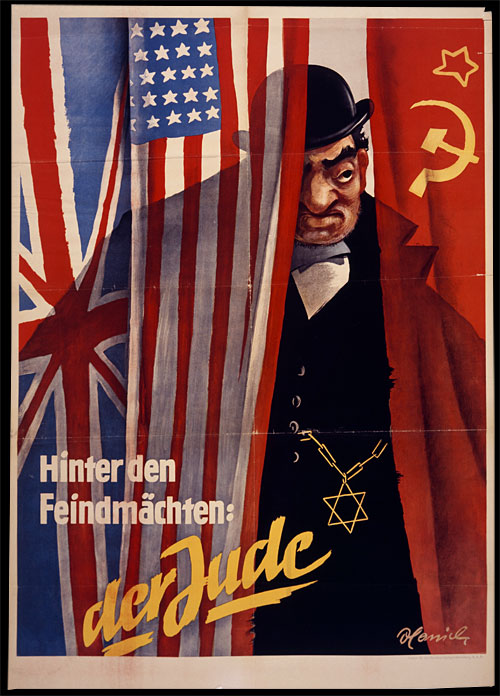
Propaganda Poster Examples

With your partner, please examine these posters and discuss what you see. How is the artist/writer persuading you, what's the message, how is the subject treated or represented? Please note: some of these images are disturbing or promote politically incorrect material.


Biography Projects/Photographic Series Due!

During Period 7:

1. Please complete your drafts of your biography project!
2. Prepare your draft and photographic series to turn in today! If you upload your photos to Flickr, for example, you can send me the URL instead of printing out copies.
3. If you did not complete your homework, please complete that (reprinted from last blog post) and turn in:

Propaganda is the idea or statement (often false or exaggerated/hyperbole...) that are spread culturally in order to help a cause, a political leader or party, a government, or any established institution.

TASK: (watch the films/clips above and try to answer the questions in your journal/notebook. We will discuss them next class as a group). Read the article: "Why It's So Hard to Stop ISIS Propaganda" by Simon Cottee.

Check this website and read about propaganda: United States Holocaust Museum.

HOMEWORK: After viewing the videos above, read the article from the Atlantic and research the United States Holocaust Museum at the link (if you have trouble viewing the site, please check from home--or make sure you're not using Crome). To turn in:
  • Summarize in a paragraph or two the Atlantic article by Simon Cottee: "Why Its So Hard to Stop ISIS Propaganda"
  • How might narrative messages be used as a tool? 
  • Define the concept and history of propaganda?
  • Give an example of propaganda that you have witnessed or experienced.
During Period 8: 

With a partner, view the post above (samples of propaganda posters). Look through the propaganda posters. Study how they present a viewpoint, political, religious, cultural idea, or situation, etc.. Ask/discuss with your partner:
  • When (or where) are these posters typically shown? Can you identify "older" posters from more contemporary ones? What tips you off that something is old or new?
  • What are the basic elements of the posters?
  • What is the message being sent by the poster? 
  • Discuss: what is your right of expression and freedom of speech as a U.S. Citizen?
  • How has propaganda changed? 
  • What events in history have helped shape these posters? 
  • How has war changed since WWI; what similarities and difference exist between works created during WWI, WWII, Vietnam, the Gulf War, the Iraq Wars, PSA announcements, posters from the 21st century, etc.? 
  • How might making art can help other people in distress?
  • Propaganda often uses fear, simplified language (for the masses), and striking or sometimes disturbing images to create anger, fear, horror, disgust, or any other emotion in the viewer. Discuss your reaction as you view these posters. 
Citizens have used propaganda posters to express their views since the birth of our Nation. Amendment I of the U.S. Constitution restricts the government from prohibiting the freedom of speech and peaceful assembly. Using online digital libraries and archives, explore posters of U.S. wars and/or conflicts to develop a sense of how individuals and groups have expressed their points of view throughout our history. With your partner, view these websites and surf the internet for examples of poster art and propaganda. Take note of what you find here to use later in the course. Our next project will involve creating/designing a poster.
HOMEWORK: None. If you have not completed your biography project--it will be late. Complete it as homework!


Monday, March 14, 2016

Biography Project Deadline; Introduction to Propaganda

EQ: Can I complete my biography project? If I am done: What is propaganda, and what are some examples of it from the media, film, tv.?


Please complete your biography project articles by the end of class today. Use the time to write in the lab and complete your work. I can extend the photography portion of your project to Wednesday (next class).
Before you turn in your work, please check the instructions and proofread (see posts below for details). Turn in printed work in the in-box, as usual.


If you finish early, take a look at these cartoons, and ask: What is the idea or statement being spread? How might the message help a specific cause? What biases are inherent in the message?:
And:
Propaganda is the idea or statement (often false or exaggerated/hyperbole...) that are spread culturally in order to help a cause, a political leader or party, a government, or any established institution.

TASK: (watch the films/clips above and try to answer the questions in your journal/notebook. We will discuss them next class as a group). Read the article: "Why It's So Hard to Stop ISIS Propaganda" by Simon Cottee.

Check this website and read about propaganda: United States Holocaust Museum.

HOMEWORK: After viewing the videos above, read the article from the Atlantic and research the United States Holocaust Museum at the link (if you have trouble viewing the site, please check from home--or make sure you're not using Crome). To turn in:

  • Summarize in a paragraph or two the Atlantic article by Simon Cottee: "Why Its So Hard to Stop ISIS Propaganda"
  • How might narrative messages be used as a tool? 
  • Define the concept and history of propaganda?
  • Give an example of propaganda that you have witnessed or experienced.
Hand in your homework next class along with your Photographic Series.

Game Review Article; Ready Player One

  Please write a review of the Atari 2600, NES or Sega game you played. Your article should include the following: 1. A researched historic...